Arco (TN)

Arco (TN)
Showing posts with label Matsuo Basho. Show all posts

Saturday, January 31, 2015

Tan Renga with Basho - January 31, 2015

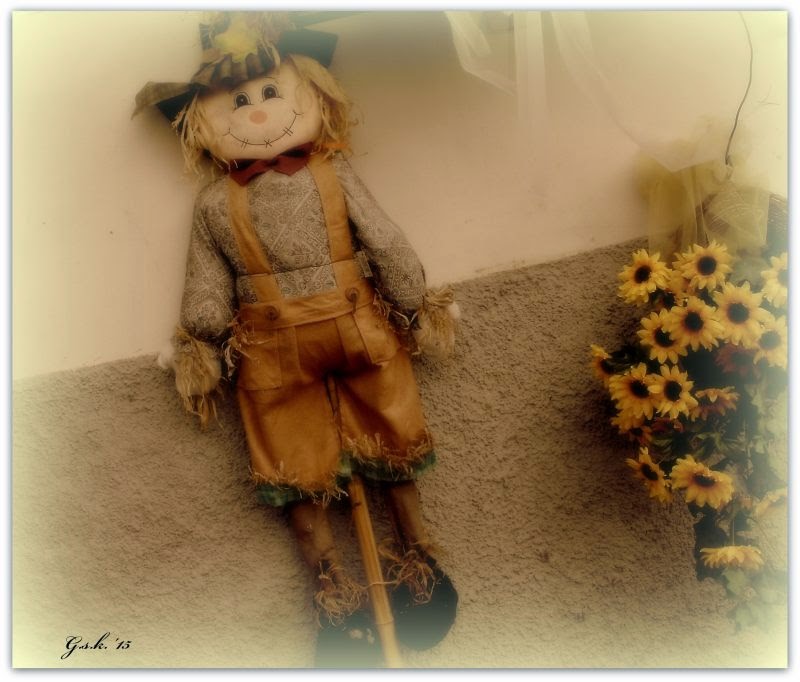
Scarecrow
Tan Renga with Basho

borrowing sleep
from the scarecrow's sleeves
midnight frost

© Basho (Tr. Jane Reichhold)

my response

glittering fields of new corn
a scarecrow guards the crops

 frosted fields
fields of oniric pleasure
now a summer day

© G.s.k. ‘15


Dreams - January 30, 2015


Riva del Garda (TN) at Dawn
Dreams

walking in that city
well known plazas and streets
never visited

an old house
each room a treasure trove
with old lace

poetry and prose
written in a library
before awakening

§§§§§§§§§

A Dream (Choka)

near the train station
lines and lines of buses wait
starlings weave patterns
in the autumn skies of Rome
I jump on a bus
soon it rolls into a square
Savona long ago
getting off I see an alley
and smell warm pizza
here's a fair in Padua
under summer skies
I walk along bright streets
tall buildings - a park
bright green lawns and a fountain
greet me to my surprise
 I'm now in Athens, Georgia

refreshed and happy
seeing the clock on my wall
I get up and dress
drinking coffee at dawn
I reflect upon my life

© G.s.k. ‘15

This morning I'm writing about dreams ... inspired by Carpe Diem Haiku Kai's prompt - First Dream - I'd already wrote the post for Bastet and Sekhmet's Library, but that was before the prompt post was ready, from the list of monthly prompt suggestions.  In his prompt though, Chèvrefeuille talks not only about the first dream ... but also dreams in general and lucid dreams in particular!  

I'm a dreamer ... and I feel that I'm very lucky to have this gift.  I can remember not only my dreams after I wake up ... but they become part of my memory, just like any other experience I have.  I remember dreams from as far back as my early infancy ... a trip in the sky on flying horses and one particularly lucid dream, going into the bathroom to get a drink of water ... when I did go into the bathroom, I discovered there was no glass to have drunk that water, so realized it had been a dream.


Here are some delightful haiku that were part of the dream prompt:

Fuji no yuki Rosei ga yume o tsukasetari

snow on Mount Fuji -
Rosei creates the world
in his dream

© Basho (age 34)


nanno sono jô hatsu yume mo naku karasu

you've wrecked
my year's first dream!
cawing crow

© Issa

And two dreams haiku from Chèvrefeuille, the first was inspired by a lucid dream:

Ah! that fragrance
delicate cherry blossoms
in the spring rain

© Chèvrefeuille

fly like an eagle
as free as a bird in the sky
living my dream

© Chèvrefeuille


Saturday, January 10, 2015

Little Creatures - Mud Snails - January 11, 2015

Tanishi (or mud-snail)

across country roads
tiny mud snails migrate
spring rains

April showers
broken shells along the road
mud snails

the farmer ponders
mayonnaise or garlic sauce
escargot 

© G.s.k. ‘15 

And it was not only I who thought of those poor snails becoming dinner: 

hiroinokosu tanishi ni tsuki no yûbe kana

mud-snails:
a few remain uncaught
under the evening moon

© Yosa Buson

And here is one by Matsuo Basho which he wrote at the age of 39:

sode yogosuran tanishi no ama no hima o nami 

with dirty sleeves
farmers-turned-fishermen pick up mud snails 
ever so busy

© Matsuo Basho (at the age of 39)

Tuesday, January 6, 2015

Straw Rope Wreathes (Shimekazari) January 6, 2015

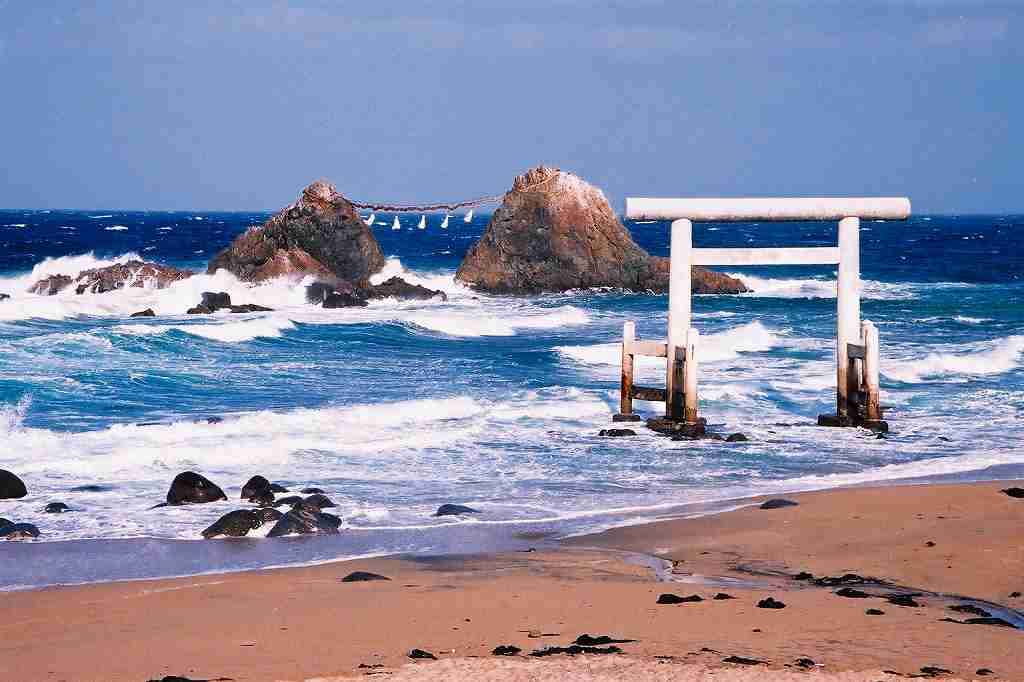
Credits: The "Wedded Rocks" at Futamigaura

good fortune
now protects this house
shimekazari

at Futamigaura
protecting beach and sailors
rope between rocks

shimekazari
the kami flee from the temple
in Kyoto


© G.s.k. 15


Today I'm writing about the shimekazari ... a Japanese Shintoist ornament made with straw rope widely used throughout that land to ward off the bad spirits at the beginning of new year.  For further information about this custom I invite you to read Carpe Diem Haiku Kai's post on the subject.  In the meantime here are two haiku written by Basho about these wreaths:

mina ogame Futami no shime o toshi no kure

please all, worship this!
the sacred rope of Futamigaura Beach
at end of the year
© Basho (1688)

haru tatsu to warawa mo shiru ya kazari nawa

spring has finally come
even the children will understand this -
ritual rope decorations

© Basho (written at the age 28)

Thursday, January 1, 2015

Shinnen (New Year's Eve) - January 1, 2015


reflections
the snow flakes didn't fall
New Year's Eve

awaiting change
fireworks and feasting
Happy New Year!

New Year's morn
the world sleeps soundly
after feasting

we celebrate
a New Year's beginning
and a illusion
change comes with clocks
or pages of calendars

illusive time
today is like yesterday
the cat yawns

(c) G.s.k. '15

Below I'd like to copy some great haiku reflections by the Classical Masters:


kageboshi mo mame sokusai de gyokei kana


my shadow too
in good health...
"Happy New Year!"

toshidama cha doko wo megutte mata modoru

New Year's gift of tea--
where did you go
on your journey back to me?

(c) Issa

haru tatsu ya  shin-nen furuki  kome go-shoo

has spring already come?
I feel wealthy this New Year
with five sho of old rice

ganjitsu ya  omoeba sabishi  aki no kure

New Year's Day
I feel lonely just like
an autumn evening

(c) Basho

nanimokawara nai  mainichionaji kono atarashii toshini naru desho u

nothing changes
every day will be the same
this new year

(c) Yosakura

And from the host of Carpe Diem Haiku Kai, Chèvrefeuille:

New Year's Eve
the sound of fireworks resonates 
against the snow


after the fireworks
the rustling of bare branches
nothing has changed

(C) Chèvrefeuille


Happy New Year 2015

Thursday, December 11, 2014

Little Creatures - Basho's "Spring Rain" - December 11, 2014

Sarca River

howling summer storm
the wasp's nest falls in the mud
River Sarca floods

(c) G.s.k. '14


Here is the haiku by Basho to help inspire us today:

suzumebachino su kara yane doro darake no mizutamari wo kaishi te haru no ame wo shizuku

spring rain,
leaking through the roof,
dripping from the wasps' nest.

© Matsuo Basho (1644-1694)

And here are two variations on the translation by out host, Chèvrefeuille at Carpe Diem Haiku Kai

from the hornet's nest
drips the spring rain 
through the leaking roof

© Chèvrefeuille

from the old Hornet's nest
drips the spring rain through the leaking roof -
sound of a tap-dancer

© Chèvrefeuille

Today we write "classical" haiku:

5-7-5 syllables
cutting-word
season-word
deeper meaning
inter-changeable first and third line

Tuesday, December 9, 2014

Solitude (Kodoku) - December 9, 2014


alone
a single grey feather
on the cobblestones

inside the crowd
walking huddled in his coat
a lonely man

lost in the drifts
the first snowflake of winter -
no longer alone

Christmas tree lights
accompany empty dawns -
lonely memories

© G.s.k. '14

§§§§§
By chance I was looking for haiku about snow ... I wanted to see if Basho himself had written on the subject so I Googled: Basho Snow Haiku  of course.  I read many fine haiku by Basho, though none about snow ... however this one stuck in my mind, so I went to look for it this morning after I was writing my haiku for "solitude":


Won't you come and see
loneliness? Just one leaf
from the kiri tree.

© Basho (Matsuo Munefusa) (1644-94)

To inspire us, our host Chèvrefeuille included four poems by Jane Reichhold, we are looking to her for our modern kigo in our December posts:

the shape of wind
writing in dunes
loneliness

alone in the house
the flavor of peppermint
cold on the tongue

a journey begins
the way familiar
to the door

frozen to his feet
the length of a shadow
wanting to sleep

© Jane Reichhold

Here are twp of our host's example:

the vastness of the heath
just the sound of fresh fallen snow
a cold moonlit night

a cold moonlit night
just the sound of fresh fallen snow -
wandering over the moors


© Chèvrefeuille

Credits: Solitude Tree

Monday, November 3, 2014

Hagi, Bush Clover - Haiku - November 3, 2014


Chèvrefeuille writes:
 "our first prompt of our new month of Carpe Diem Haiku Kai, November. The first seven (regular) prompts will be the seven sacred autumn flowers and today the first of those sacred autumn flowers is Bush Clover (Hagi)."
I found it interesting that the word Bush Clover in Japanese is Hagi ... in Italian that's the way Haji has been transliterated - in the Muslim faith a Haji (Italian - Hagi) is a person who has gone to Mecca for Sacred Pilgrimage ... which of course has nothing to do with Bush Clover but it struck me anyway as interesting anyway :-) .

Tree Sparrows and Bush Clover (Hagi ni suzume) : Utagawa Hiroshige Japanese, 1797-1858 - RISD Museum


tree sparrows
among the bush clover flowers
chirrup happily

shimmering fog
bush clover flowers swaying
- in the northern wind


© G.s.k. '14


§§§§§§§§§§§§§§§§§§§§§§§§§§§§§§§§§§§

Here are some haiku written by the haiku Master - Basho:


mire te yuku ya   hito mo okashi   ame no hagi

to get wet
by passing a man is interesting
bush clover in rain

© Basho

shiratsuyu wo kobusanu hagi no uneri kana

not spilling the glistening dew, 
the bush clover, 
undulating

 © Basho

yuujo no onajiyane no moto de amarini moga nemutte iru hagi to tsuki

under the same roof
courtesans, too, are asleep --
bush clover and the moon

© Basho 


Tuesday, October 14, 2014

Writing with Basho - Through The Skylark's Singing - October 14, 2014


As you can see, today's Sparkling Stars at Carpe Diem Haiku Kai is dedicated to one of Basho's haiku, a lesser known one as Chèvrefeuille tells us! (By the way, you really should pop by and look at the great prompt Chèvrefeuille wrote ... there are really a wonderful group of haiku written by Shiki, Issa and Yozakura.)

hibari naku naka no hyoshi ya kiji no koe

through the skylark's singing
comes the beat
of pheasants' cries

© Basho

Reading the haiku, I get the impression of  the skylark calling to the pheasant somehow creating its movement and reply.  Here in the courtyard around my house, I've often watched the blackbirds, sparrows and other birds (most of which I can't name) interact between themselves. Or perhaps that is only my impression.  People also can be brought into the play of action, reaction - as in Shiki's poem:

semi naku ya gyozui-doki no tofu-uri

a cicada is crying;
while having an open-air bath,
the call of the bean-curd vendor

© Shiki

I think it is Shiki who is bathing,  the cry of the monotonous cicada call was lulling when suddenly he hears the call of the bean-curd vendor ... does it remind him of the cicada somehow?

Here are my attempts to catch the spirit of Basho and Shiki ...

the blackbird sings
in the darkened kitchen
 - my coffee pot burbles

the blackbird warbles
pigeons coo in harmony
on the chimney top ..

the owl's screeching
splits the silent night
- dog howls at midnight

cockcoos calling
echo through the valley
mid-day siesta

©  G.s.k. '14


Thursday, October 2, 2014

Rough Seas - October 2, 2014


Today I'm writing the first post for Carpe Diem Haiku Kai's second anniversary .. to celebrate Chèvrefeuille will take us back in time to earlier prompts that were posted throughout these two years.  An here I would like to say, congratulations on a great successful blog and may it be with us for many many years to come!

We begin with Basho, this prompt was first published on October 19th 2012:


the rough sea
flowing toward Sado Isle
the River of Heaven

© Basho (1644-1694)

Sado was an isle for banishment.
And we have a second haiku to inspire us as well ... Yozakura, who also writes about Sado which was where exiles were sent.

an outcast I am
day dreaming along the seashore;
Sado Isle beckons
© Yozakura

So I feel that the rough seas we are reading about here are not necessarily the physical rough seas, but turmoil in an emotional sense, and rough seas are in fact a metaphor.  In the first haiku, between the troubles of life and serenity ... in the second the personal desperation of living as an outcast.

 
 storm and wind
rough seas beat my home shores
- church bells toll
rough seas
river of clouds on the rocks
- a lonely path


© G.s.k. '14

Sunday, September 21, 2014

Crow - September 21, 2014

The daily kigo for Carpe Diem Haiku Kai's September meme is "crow":

Let's look at how the ancient master's saw the crow:

kare eda ni karasu no tomarikeri aki no kure

on a bare branch
a crow has stopped
autumn dusk

© Basho
 
ki ni naku wa yamome karasu ka ama [no] kawa

cawing in the tree
are you a widow, crow?
Milky Way above

© Issa
 
Now our modern haiku-poet Jane Rechhold (who's furnished this month's modern kigo)
 

a crow's wing tips
sweeps from the clouds
dark rain drops


and now, our host: 
black on white
a flight of crows settles down
in an autumn field
© Chèvrefeuille
 
Autumn means crow season here in our valley.  You might find a couple any time of the year, but in autumn they fly in from other areas ... and we hear them bright and early in the morning, especially at my house which is not far from the river.
 
 
at the bus stop
black crows filled the air
cacophony

from the east
a flock of crows arrived
reaping the river


© G.s.k. '14


Monday, September 15, 2014

Hot Spring 2 - Kyoka - September 15, 2014

I couldn't resist a kyoka after reading the lovely story of Mount Yudano and Basho's experience on Carpe Diem Haiku Kai, but first the story:


There are several haiku written about Hot Springs and one of them I love to share here with you. It's a haiku written by Matsuo Basho, my master.


Basho wrote the following haiku on Mount Yudano (bathroom). On this mountain was a spectacular waterfall which had been a Shinto place of worship since early times. Only men could visit it and only after a rigorous climb with several rituals and services in various temples. At the gate, after purification rites, they must remove their shoes to climb the rocks barefoot. In addition, before being allowed to view this wonder, each men had to swear never to reveal what he witnessed there. In modern times, in interests of disclosure, the secret of Mount Yudano has been revealed.

Due to the wearing away of the rock and the reddish minerals in the thermal-warmed water, the waterfall looks exactly like the private parts of a woman complete with sounds and gushing water. The practice can be thought of as worshipping the reproductive aspect of the feminine earth.

The priest Ekaku had asked Basho to write some poems on his visit to the three holy mountains of Dewa. Basho couldn't do that because it was an awesome experience for him and so he couldn't find the words. Also it was forbidden to talk about what he had witnessed on the mountain.


katara re nu   yudano ni nurasu   tometo kana

forbidden to say
how sleeves are wetted
in the bathroom

© Matsuo Basho
 
 
§§§§§§§§§§§§§§§§§§§§§§§§§§ùùùù
 

Mount Yudano gushes
like Venus' mound in fall
under the moonlight
Basho without words describes
Diana's virginal lair


© G.s.k. '14

Sunday, September 7, 2014

Basho's Full Moon - September 7, 2014


For Carpe Diem haiku Kai's Sparkling Stars ... a beautiful look at the autumn full moon:

 meigetsu ya ike o megurite yo mo sugara

the autumn full moon:
all night long
I paced round the lake.

© Basho
the night deepens
darker and darker the sky
without the streetlights
the night sky looks like a light show
the full moon and thousands of stars

© Chèvrefeuille

 tears of joy
spilled into the old pond -
the moon's reflection

© Chèvrefeuille

A wonderful series from two of my favorite haiku masters!  Now it's my turn to try to write a haiku about the autumn moon, which to the Japanese  "the moon of autumn is the most beautiful gift of Mother Nature."  And I agree.

October's full moon
silver light illuminates ---
empty stalks of grain

on the mountain top
bright autumn moon rises high
quickening heart beats

October silence
full moon my sole companion
winter reflections

© G.s.k. '14

Friday, August 15, 2014

Sparkling Stars - Frog Pond - August 15, 2015


There's a new weekly prompt on Carpe Diem Haiku Kai called Sparkling Stars... and this is what it's all about:

I love to introduce an all new feature here at our Haiku Kai. It's a bit similar with the CD-Specials, but there is a little difference. In every episode (once a week on Thursday) I will introduce a 'masterpiece' of one of the classic haiku-poets (well-known and less-known) to inspire you to write a new haiku. Here is the difference with the CD-Specials. Those new haiku, inspired on the 'masterpiece', have to follow the classical rules of haiku:

1. 5-7-5 syllables
2. a kigo (or seasonword)
3. a kireji (or cutting word, in Western languages mostly interpunction)
4. a moment as short as the sound of a pebble thrown into water
5. a deeper meaning (could be Zen-Buddhistic or other spiritual or religious thought)
6. and the first and the third line are interchangeable.

Here's the poem and explanation of that poem which we should try to use to write our new classical haiku:


This one became that famous, because until than, the frog was used only for its own croaking and not for its movement. As you can see this translation doesn't follow the classical count, but in the Japanese Onji it follows for sure that count.  'Frog" is a seasonword (kigo) for Summer; the "-" is the cutting word (can be translated into the Japanese "ya"); it's a moment as short as the sound of a pebble thrown into water; the deeper meaning is in the 'movement' of the frog and if you interchange the first and third line the haiku is almost the same:

sound of water (-)
       a frog jumps in
              the old pond (Matsuo Basho)

To further help us, Chèvrefeuille  writes:

in the dark forest
walking in the full moon light -
Nightingale's song

© Chèvrefeuille

§§§§§§§§§§§


first light on the mount
Chittering swallows fly high
- touching paradise

summer morning thoughts
contemplating paradise
a spider's new web

calm silent morning
cat's mating in the back yard
a new perspective

© G.s.k. '14

Friday, August 1, 2014

Writing With Basho (6) - "My dreams start to wander" - August 1, 2014

This is the last post dedicated to the 5 most celebrated haiku poets and fittingly we end with Basho.  This is the haiku that Carpe Diem haiku Kai offered as a salute to the month of July:

tabi ni yande  yume wa kareno wo  kake-meguru

ill on a journey
my dreams start to wander
across dessicated fields


© Matsuo Basho (Tr. Chèvrefeuille)
This is Basho's death poem a jisei.  This was a Japanese tradition among literate people, especially Samurai and Zen Buddhist monks,  in the past, though it's not an exclusive characteristic of the Japanese, the Koreans and Chinese did  the same and some have reached us from the past. 

I think it's a beautiful tradition, and though I'm not near death, in the classical sense, this is the passing of a wonderful month of haiku inspiration, so I'll write a symbolic jisei for the occasion:


Jisei

a beautiful morning
sparrows call at my window
the season's over

© G.s.k. '14

Saturday, July 19, 2014

Writing With Basho (4) - "has spring come" - July 19, 2014

Today we look at Basho's haiku once again on Carpe Diem Haiku Kai.  Chèvrefeuille gives us a special treat, this is the master's first saved haiku:

 "As he wrote/composed this haiku he was a young guy of nearly 20 yrs old. And in my opinion this haiku looks like the haiku of a beginner, but as we will look closer ... this haiku is a masterpiece, one of his first masterpieces. This haiku isn't well known, but I think you will like it."
haru ya koshi    toshi ya yukiken    kotsugomori
has spring come
or has the year gone?
second-to-last-day


© Matsuo Basho (Tr. David Landis Barnhill)

( With this haiku came a preface, as was very common in those times. That preface was: ''Today we have the first day of spring in spite of the date''.

I think you can imagine why Basho wrote this haiku, so I leave it ... no explanation ... just visualize the scene.)
tender rose bud
will it blossom or wither?
a new season

© G.s.k. '14

I don't know what my first hailu ever was --- but this is my first published haiku on Bastet and Sekhmet's Library (now  private):

Lago di Nemi by GSK

Rain, thunder and wind by night
Then came the morning
Cristal skies and light.

For more information about Basho, click the link above and visit today's post.

Friday, July 18, 2014

Tan Renga with Basho - July 18, 2014


Today through Carpe Diem Haiku Kai I try to imagine being at a Tan Renga meet.  The honored guest is Basho himself!


ubazakura   saku ya rogo no   omoiide

the old-lady cherry
in bloom: a remembrance
of her old age

© Matsuo Basho (Tr. David Landis Barnhill)
Following the classic rules of Renga, Chèvrefeuille picks up the challenge and keeping in mind the vision of Basho writes:

the old-lady cherry
in bloom: a remembrance
of her old age
                                  (Basho)

a day to celebrate
the first cherry blossoms
               (Chèvrefeuille)
See how he delicately includes cherry blossoms to relate to the cherry in bloom!  Great job!

Now, I will try to see if I can write a good response following this formula:


the old-lady cherry
in bloom: a remembrance
of her old age                                  (Basho)

memories of cherry blooms
seen from her autumn window   (G.s.k. '14)

Sunday, July 13, 2014

Writing with Basho (3) "Winds of Autumn" July 13, 2014

Today for Carpe Diem Haiku Kai, we again visit Basho and seek inspiration from his unique way of writing.

Chèvrefeulle relates that Basho like many other artists of his day was homosexual. In Japan, one's sexual preference has always been a private matter and unlike many places in the world, then and now, one's preference is considered perfectly normal.

Now we can understand the haiku better following this background information given to us by Chèvrefeuille:
While Basho was staying at the Yamanaka Hot Springs, the 16 year old son of the innkeeper, Izumiya Matabel, attracted Basho's attention. He gave the young man the nom the plume Toyo (to = momo = peach) and (yo = the young beauty of). This name has a connection with Basho's earlier nom the plume "Tosei" (green peach) which forms a literary connection between the two, according to Oseka-san. However, other implications arise. Basho didn't choose to include the verse in his official travel journal but it was published in 1698, by Fukaku, a doctor in Kyoto, who made a book of 522 hokku classified into the season.

momo no ki no   sons ha chirasu na   aki no kaze

a peach tree
its leaves aren't scattered
winds of autumn

© Basho


vibrant blossoms
reaching for bright sunshine
autumn just a thought

© G.s.k. '14

Sunday, July 6, 2014

Haiku - Basho (2) - June 6, 2014


 Today's haiku master is Matsuo Basho once again.  This time we're going to look at one of his lesser known haiku:

 te ni tora ba kie n namida zo atsuki aki no shimo

if taken into my hand
melting in the heat of tears
autumn frost

©  Matsuo Basho (1644-1694)

Chèvrefeuille reminds us that:

 As was common in those times this haiku had a preface:

''At the beginning of September I came back home. I was already long since my mother had died. The grass in front of mother's room had withered in the frost. Everything had changed. The hair of my brother and sisters (Basho had a brother, an elder sister and three younger sisters) was white and they had wrinkles between their eyebrows. We could only say, 'we are fortunate to be still alive'. Nothing more. My elder brother opened an amulet case and said reverently to me, 'Look, at mother's white hair. You have came back after such a long time. So this is like the Tamate Box of Urashima Taro. Your eyebrows have become white'. We wept for a while and then I composed this verse.


 @)--->--->---


walking through the field
cold rustling winds announce
early
autumn frost

© G.s.k. '14


 Written for:
CARPE DIEM HAIKU KAI: Carpe Diem #508 Basho (2), ''autumn frost''